
Not everything has to be beautiful. But what if it were?
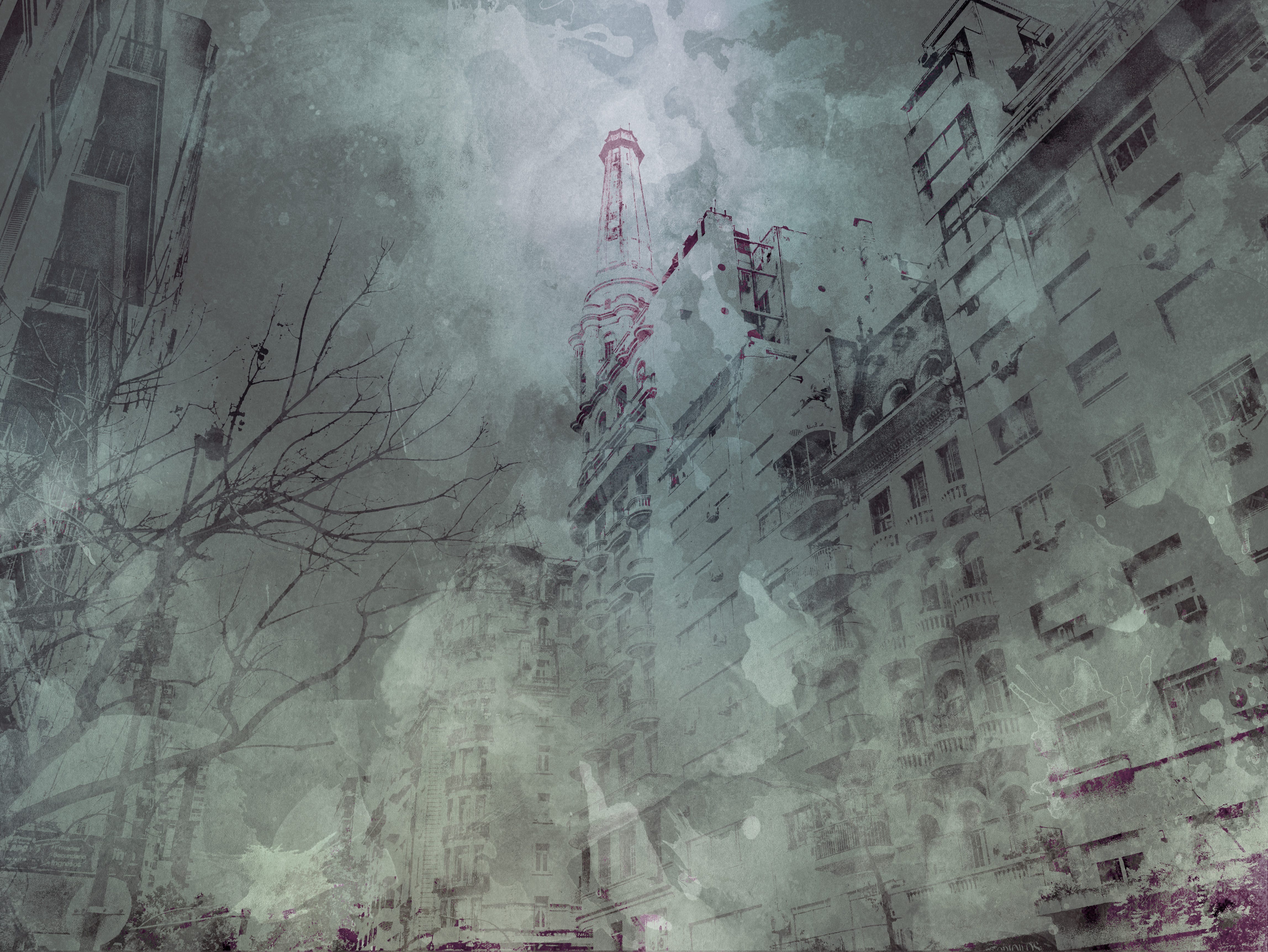
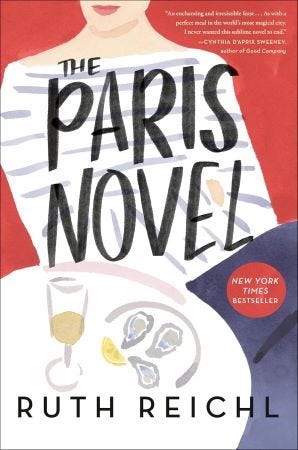
On our trip to the no-longer imaginary city of Buenos Aires I read The Paris Novel by Ruth Reichl. It’s light, fun, and a great travel read that I thoroughly enjoyed. But I wouldn’t call it a beautiful book for one reason: the ending.
I’ll not give anything away. It was a perfectly good ending, don’t get me wrong. It flowed logically from all that came before and it tidily wrapped everything up just as you’d expect. And therein lies the problem for me.
There was no surprise.
Not every novel has to, for me, conclude like an O’Henry short story with a surprise ending. But I wouldn’t complain if they did. And in thinking about this, I just realized something.
A big learning for me from the research I did in writing The Creative Wild was the finding that while beauty is hard to define, two common elements of it are order and surprise.
The Paris Novel, or rather its ending, had an abundance of order, but not surprise. But the ending matters so much. Research shows that what defines how we remember a trip or any other kind of engaging event, are our peak and end experiences. Make those wonderful, and all your subsequent memories will be positive. Hence the importance on ending well, whether that’s a trip or a book.
Which leads me to another book I just finished, Get the Picture by Bianca Bosker.
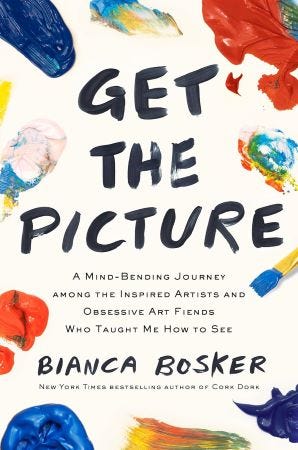
Bosker is a great writer and I love her voice, which helps as she explores the world of contemporary art, primarily the New York art scene. She gets beneath the surface of it and reveals what many of us have always suspected, that there’s an “emperor has no clothes” nature to the whole thing. She reveals how certain people make very subjective determinations on what is “good” (though that term is one people there avoid), and that even the definition of art itself is almost impossible to nail down. She uncovers how, particularly since the early 20th century, the term “beauty,” within the context of art, has become a derisive word.
I remember attending an event at a contemporary art museum years ago where my wife and I had a private tour with one of the curators whom my wife knew from school. When we commented on one piece being beautiful, her response was, in a tone similar to how you might note a foul odor, “Oh yes. It is rather decorative isn’t it?”
Bosker tells of many such responses among curators, critics, gallery owners, and buyers. But then she spends several months assisting a painter in her studio. And through that experience, Bosker comes not only to realize that beauty still can matter, but—SPOILER ALERT—that, as she concludes in the end of the book, it is all around us if we’ll only have the eyes to see it.
That may not be news to any of you who’ve been reading here for some time. But I believe it was a surprise for her. So in a way, she does end the book on a surprising note.
The takeaway for me is just how much beauty matters. We can tell ourselves its bourgeois or not serious enough for the times in which we live. We can treat it as a luxury or a rare indulgence. We can quibble over what it means or how to define it. But once you realize how necessary beauty is in our lives, it does change you. And having a simple tool like those two characteristics of order and surprise aids in our own ability to make beautiful things. Not just visual art, but music, businesses, homes, books, and trips.
Perhaps even, a life.
Not everything has to be beautiful. But striving to incorporate just a little bit of beauty—adding in the elements of order and surprise—can itself be a beautiful thing.
This post first appeared on my Substack at stevebrock.substack.com


