
A beautiful basilica in Galatina, Italy reveals some hard questions about sharing what we see.
“Rrmjhgccsrvingfrrrm” he said. Three times. “Como?” I replied each time.
This wasn’t going well. My meager Italian was no match for his strong local accent. I tried using hand gestures. It didn’t help. Finally, I began to understand what I thought he was saying. I repeated it back to him, “Five photos?” Yes, something about five photos. I still didn’t fully understand what he was saying.
Until I did.
And then I chose not to.
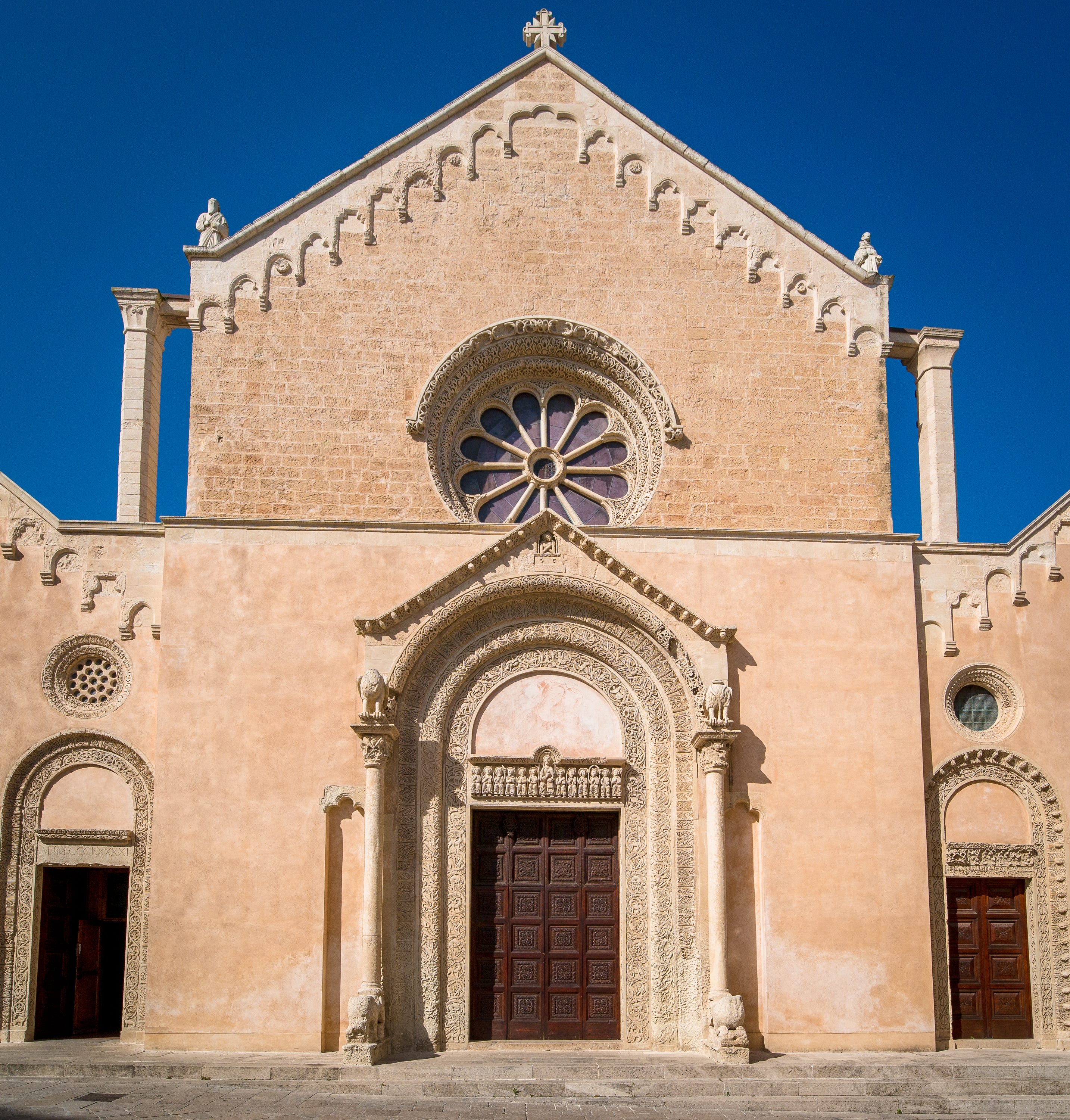
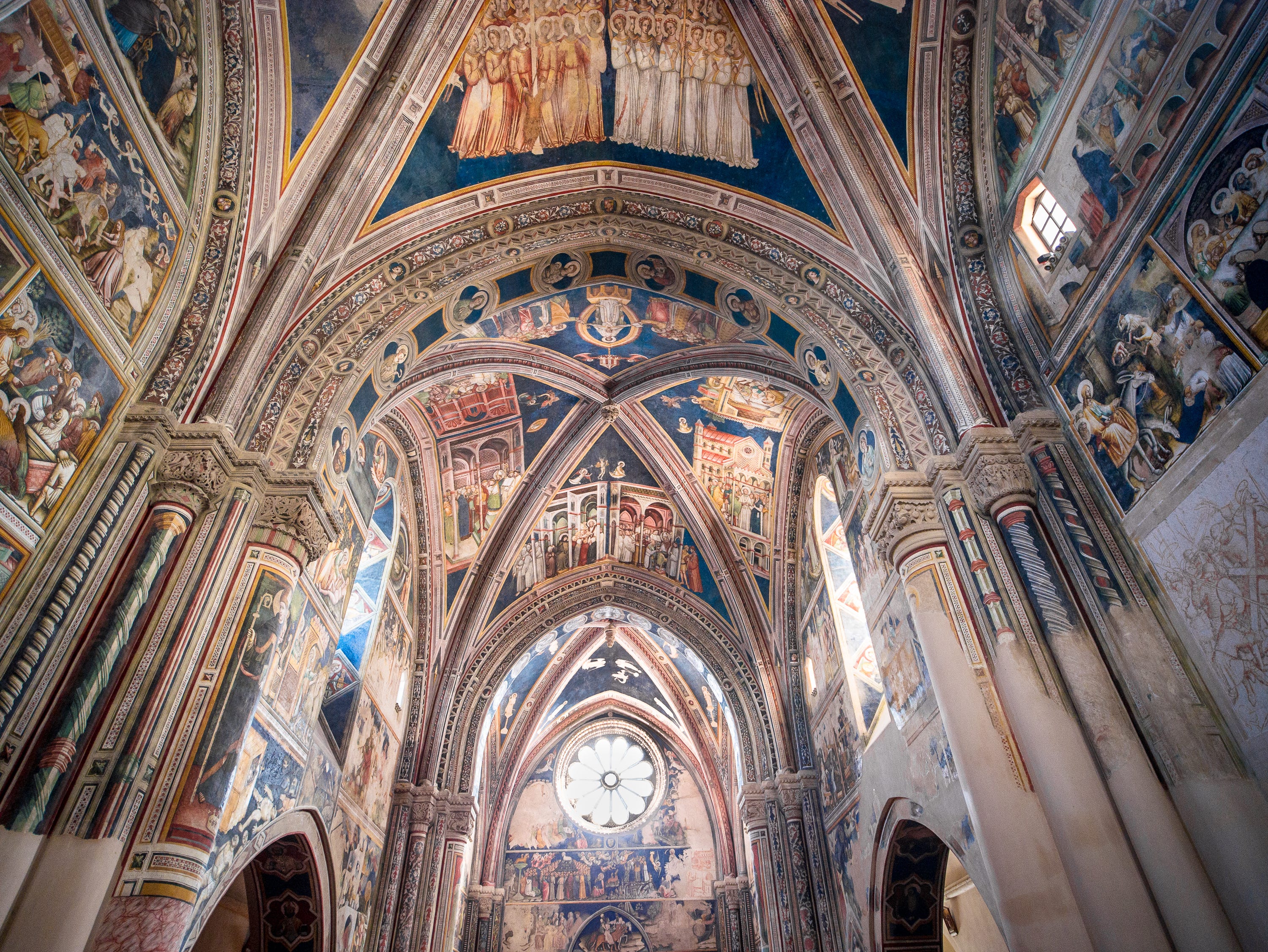
Here I was at one of the most beautiful churches in Italy, one I knew very little about before arriving. It was the Basilica di Santa Caterina d’Alessandria in Galatina, Italy, a small city in Puglia, the region that makes up the heel of the boot of Italy. On the outside, the church is rather plain. Inside, almost every surface is covered in 14th century frescoes. I’ve not been to Assisi, but I later read that only Giotto’s frescoes in the church there exceed those here in Galatina.
I was stunned by what lay all around me here and so I rushed to try and capture some of the beauty in photographs. And it was at this point when I realized that this old man, who I gathered was the caretaker of the church, was telling me that I was only allowed to take five photographs of this gorgeous space.
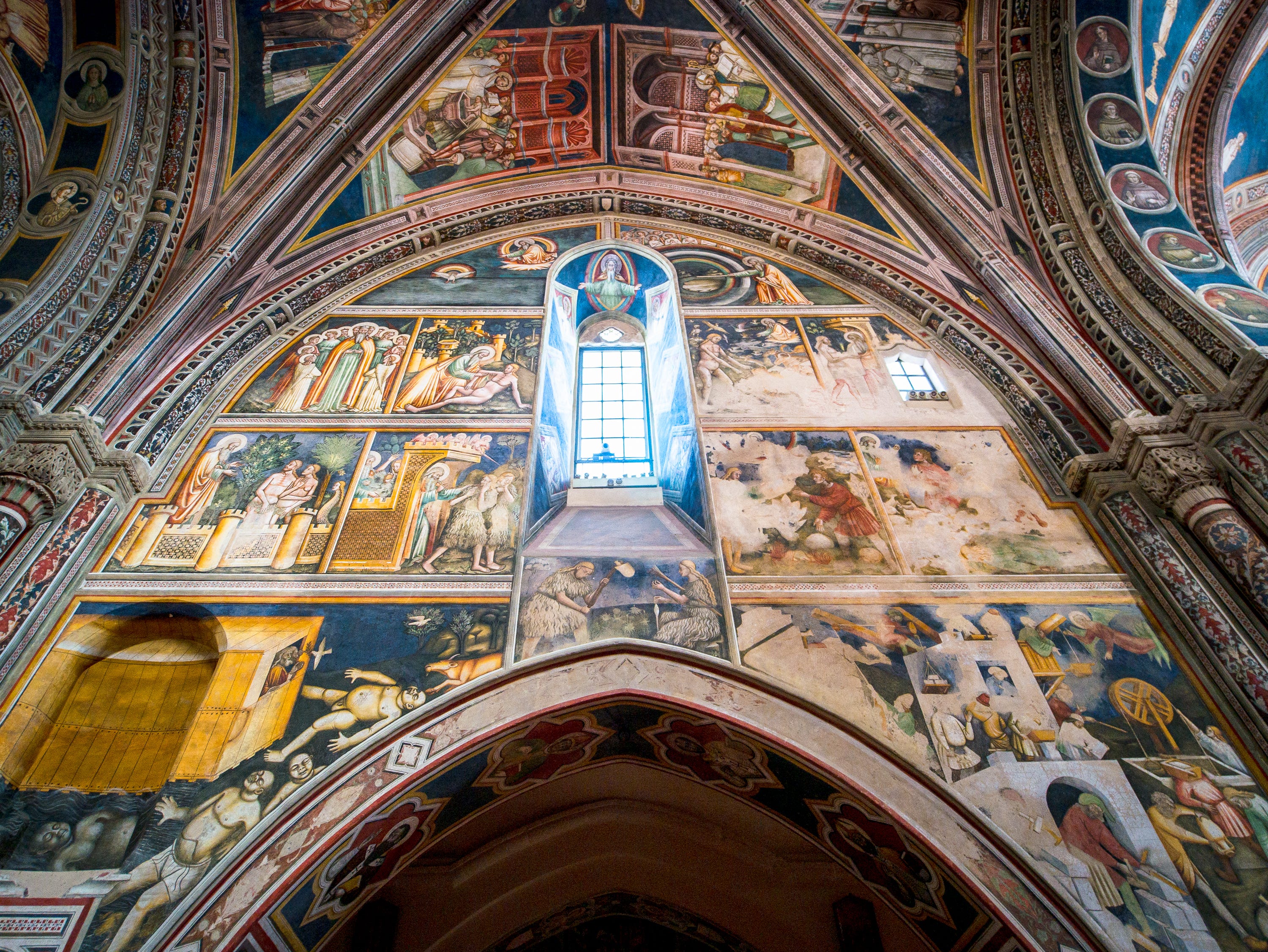
Five. I had already taken at least that many before being called out. And yet, I still wanted more. Greed often trails beauty like a hungry dog. So I nodded in agreement and thanked him for the information as if suddenly enlightened. Then I did the culturally sensitive, thoughtful, and respectful rule-abiding thing.
I ignored what he said.
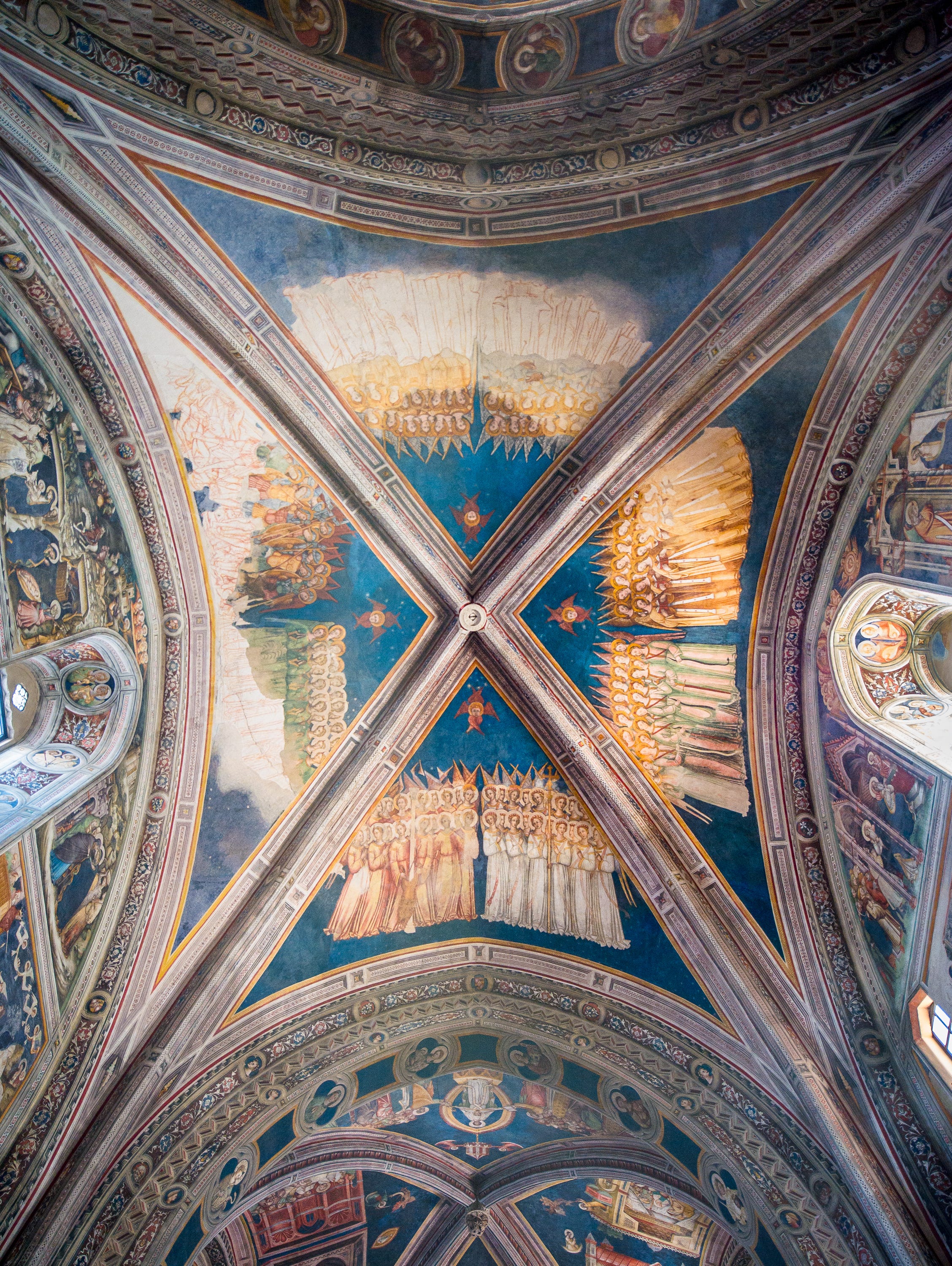
I tried to sneak in extra shots. At one point, I saw him watching me and I held up three fingers to him as to indicate I was only 60% through my allotment. He glared back, clearly knowing I was lying through my lens. It was his arbitrary (in my mind) rule versus my need (note how I’d now elevated my photo taking from a mere want?) to capture more of the wonder of this place. And I was winning. Or so I thought.
Eventually, however, this cat-and-mouse game with the caretaker wore thin. Deep down, the compliant child in me and the petulant “I’m going do what I want to do” child duked it out. Kindness reluctantly won. Well, kind of. Enough for me to stop shooting even as I still grumbled about how stupid, arbitrary and likely devised by a small-minded bureaucrat the five shot rule was. I may have disagreed with all of that. But here was this elderly gentleman who was simply doing his job. And here I was, clearly making that job harder.
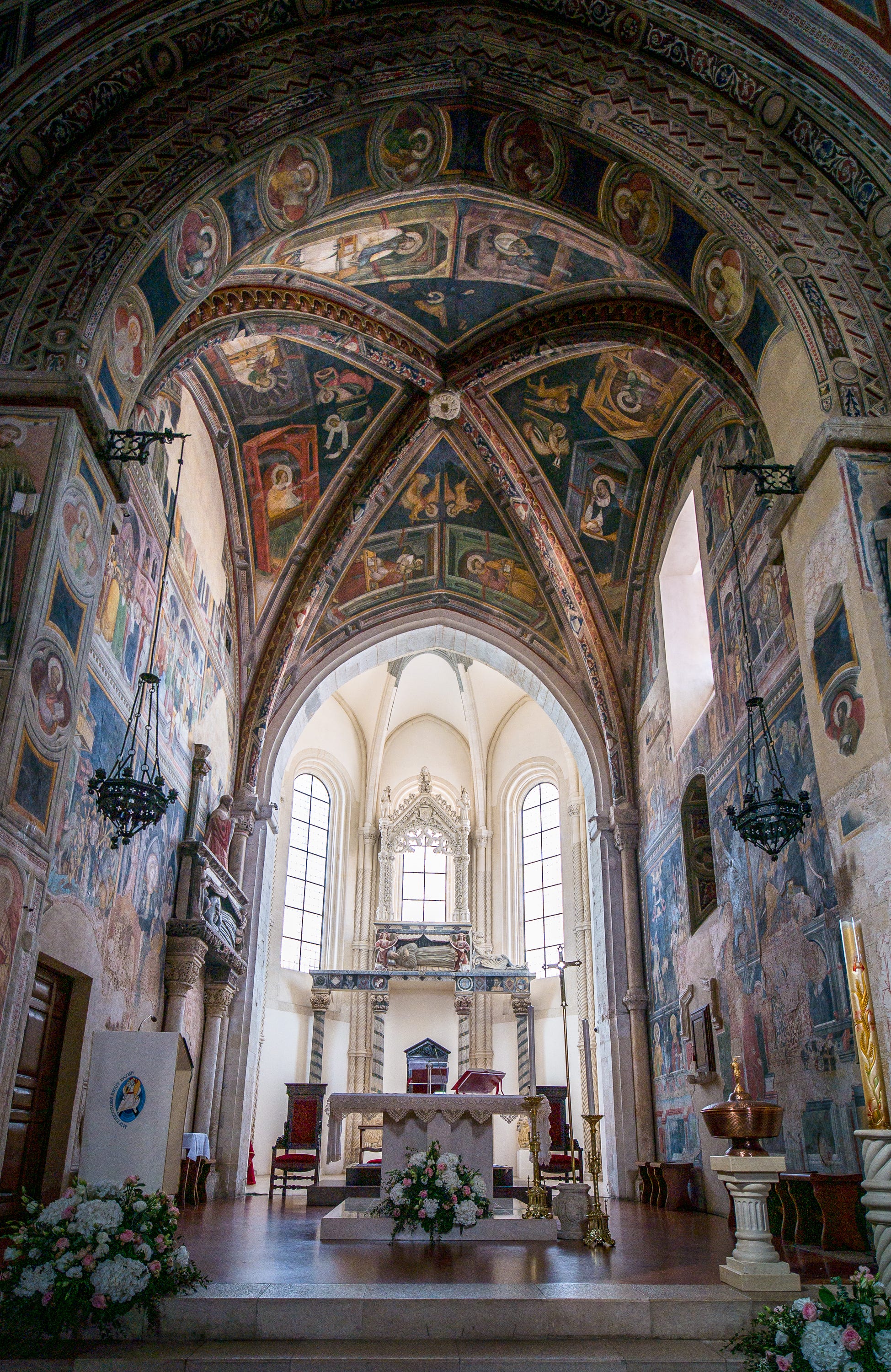
Entitlement doesn’t back down easily, however. I made sure he saw me (rather dramatically) put my camera away. But the thing about that church—the beauty, even holiness you feel there—is that I couldn’t ride my wave of lingering indignation long. I actually had a twinge of guilt about my attitude. So, as we started to leave, I went over to him and thanked him for this beautiful place as if he were somehow personally responsible for these 800-year-old works of art. We didn’t suddenly turn into BFF’s, but his grumbled words—still inarticulate to me—seemed at least less hostile than before.
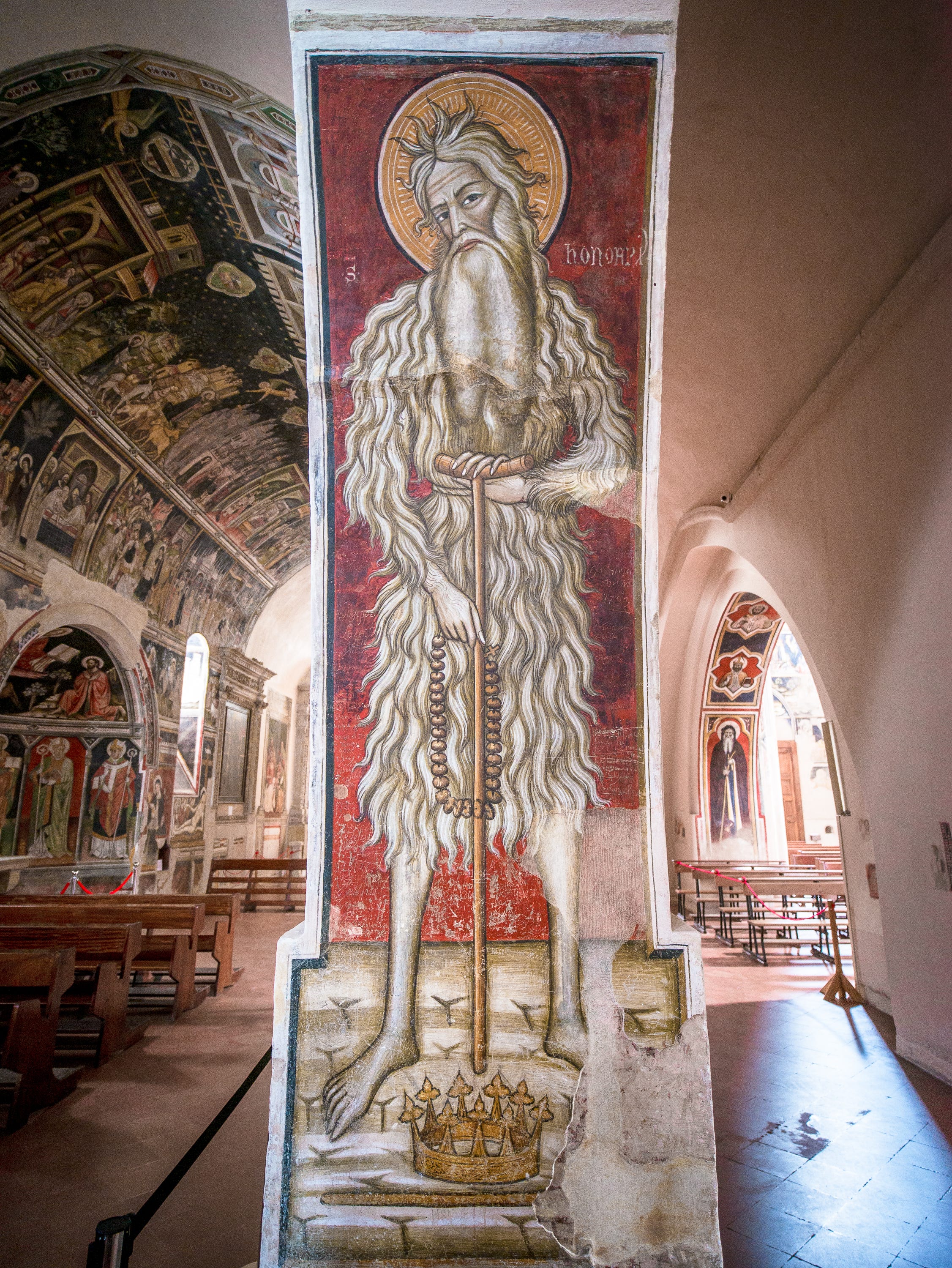
As my wife, son, and I stepped out of the church, I tried to justify my behavior inside to them in an effort to gain allies. Instead of agreeing that the five photo rule was as wise as scarfing carbs before bed and hoping to lose weight, my twenty-something son pushed back.
“Dad, they have every right to limit the number of people taking photos and videos there. Because most people coming here these days are doing so to simply exploit free content. They bring nothing to the church, likely care very little about the history of it or the cultural significance of it to this town, or how exposure of it to the world will impact the locals. They simply take away images that they can use to further their own “brands” and agendas.”
“Oh yeah,” I said, quickly diverting my ire from the five photo rule to others. I can pivot like that with scary ease. “All those so-called Influencers and YouTubers trying to show what a great discovery they’ve made. Yeah. Those people. They’re ruining it for the rest of us. Yeah.”
I was on a new roll of righteous anger. Same emotion, different target. Until I realized that in fact, I fit more into the “them” camp than the “us.” I really was no different. Maybe I don’t shoot images of travel sights to monetize them, but I do share them in places like, well, here. Ugh.
That realization led to this one: The five photo rule wasn’t there to squelch my experience of the place. It was there to protect that experience for others. For those who want to see the frescoes, not just use them.
Does that mean all popular sites should limit consumption of photos, videos, or even, as I saw at some popular temples in Japan, sketching (I gather because sketchers stand in the best spots for too long)? Oooph. I honestly don’t know. It’s a classic balance of individual rights versus the common good. And as I get older and our world seems to sway more and more toward the former, I’m finding myself leaning more toward a position that benefits others. Even if I have to give up something (like shooting more than five photos) myself.
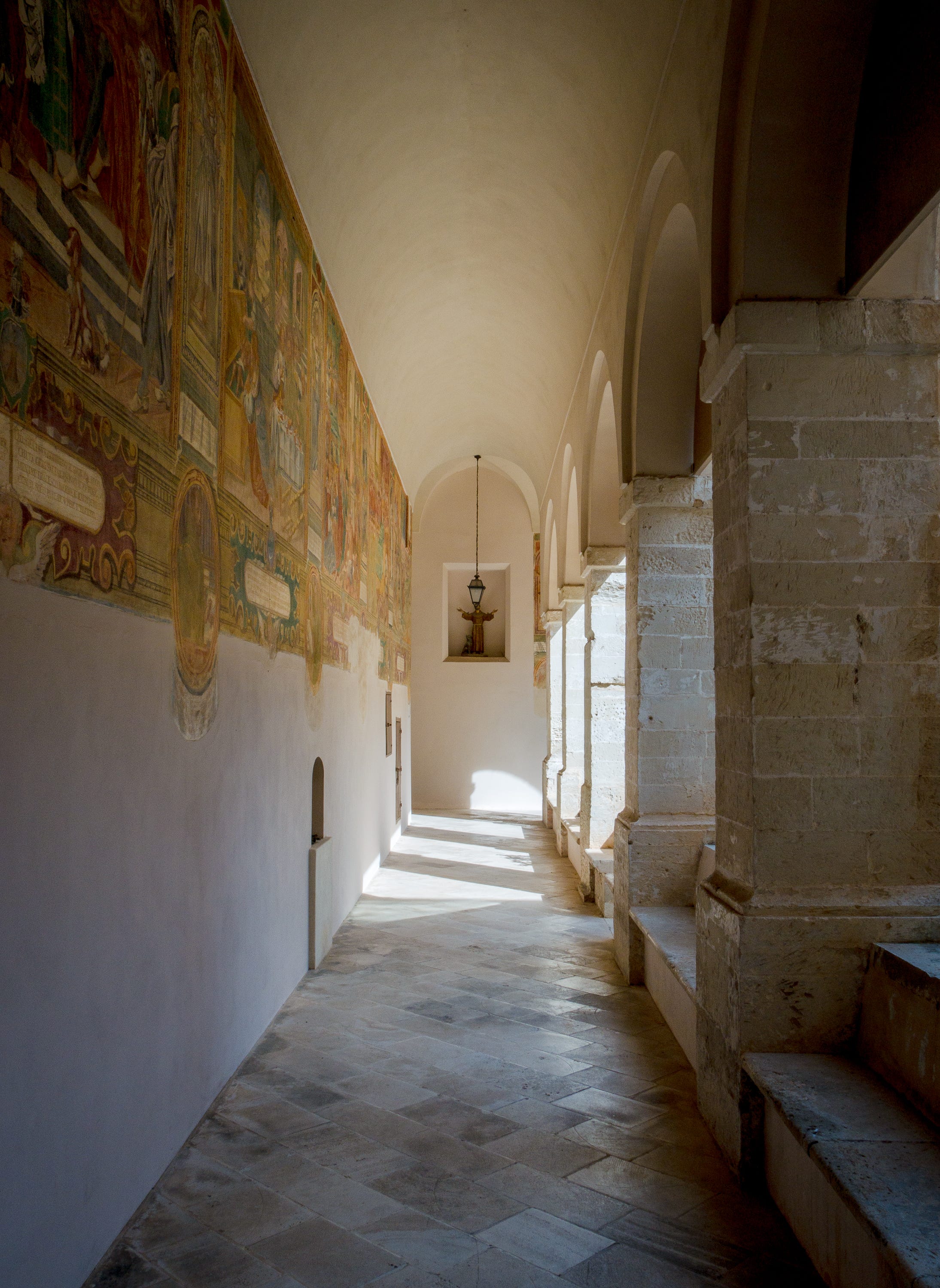
Still, on any given day, I can argue why a five photo rule is a bad idea and why sharing the beauty of a place like the Basilica di Santa Caterina d’Alessandria in Galatina with others through photos is a good thing. But here’s the kicker: I just can’t personally square all that with my own behavior that day. That’s where the whole notion of “rules” falls apart. If something about the way I treated another person bothers me, that’s what I need to pay attention to.
In fact, maybe what I really need is a do-over trip back to Galatina where I can leave my camera behind, simply enjoy the frescoes in the moment, and maybe understand what the old man was actually trying to tell me.
This post first appeared on my Substack at stevebrock.substack.com


