
In the Chilean archipelago of Chiloé, you find a centuries’ old tradition that is still very much alive.
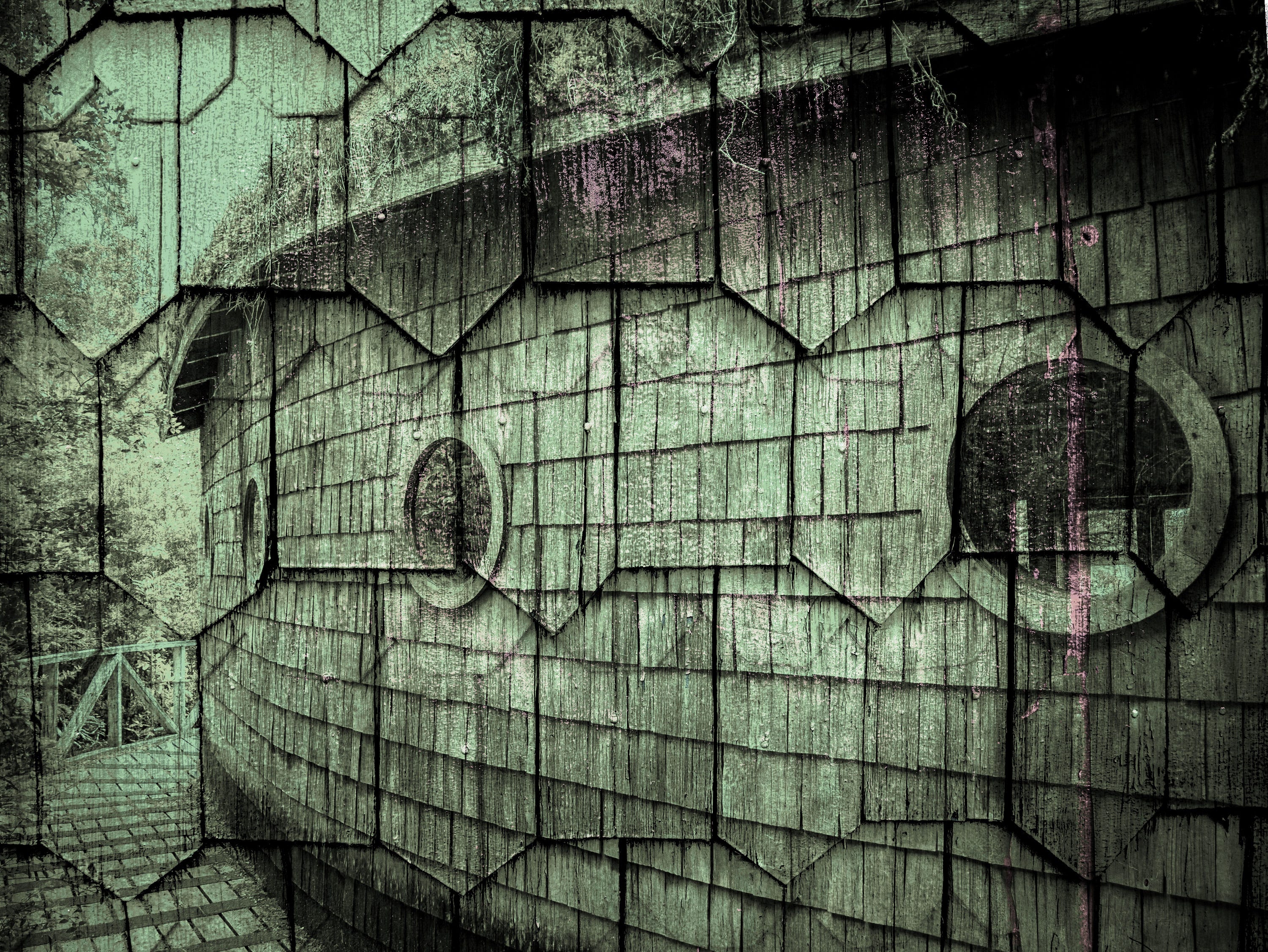
There’s a zombie-like nature to wood. When you cut down a tree, it’s dead. And yet, it still keeps on moving. Not just immediately, but for years—even centuries—after. It would be creepy if you ever really thought about it. And of course, most of us don’t. Unless you’re a woodworker. Then, it isn’t creepy. It’s just annoying. At least at first.
When I started doing woodworking and furniture design seriously many moons ago, the movement of wood in response to moisture (or the lack thereof) threw me. It took me a while to realize that solid wood can move across the grain as much as a quarter inch per foot. If you don’t give it the space to expand and contract (such as in a “floating” panel within a frame), you end up with cracks. Big ones.
But once you grasp how wood moves, it becomes kind of magical. There’s a creative challenge to factoring in the movement when you design furniture or buildings. And in places like Chiloé, an archipelago off the coast of Chile’s mainland, there’s a sense that maybe this wood is still, in some mysterious way, alive.
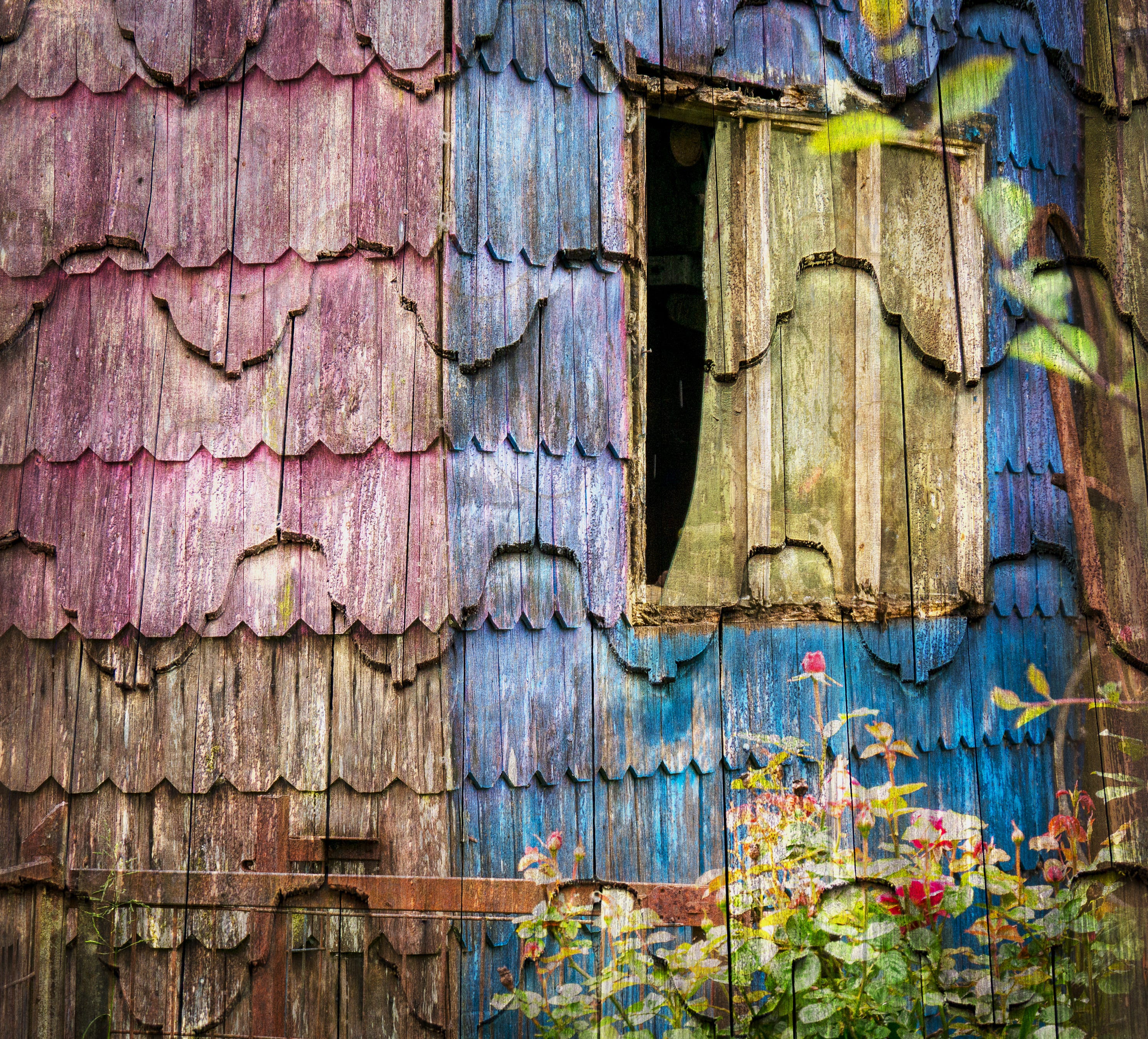
One of the first things my family and I noted when we visited Chiloé was the wood. In particular, the wooden shingles that cover so many of the buildings there in a wide range of patterns and colors.
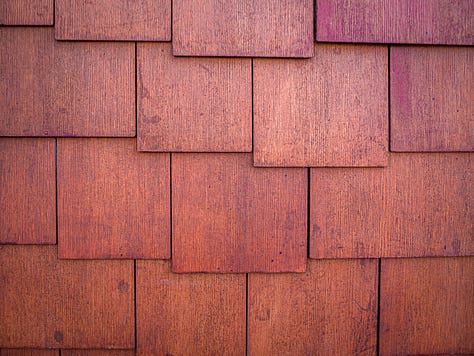
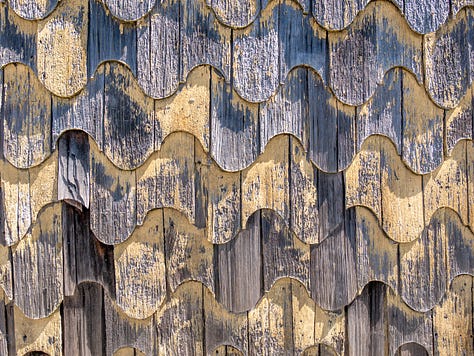
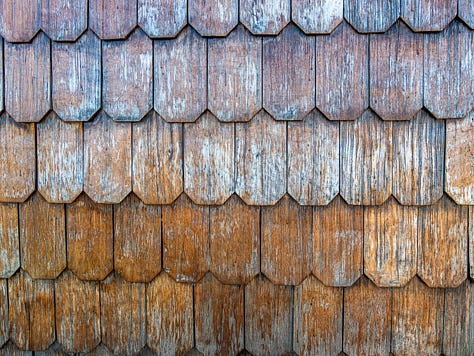
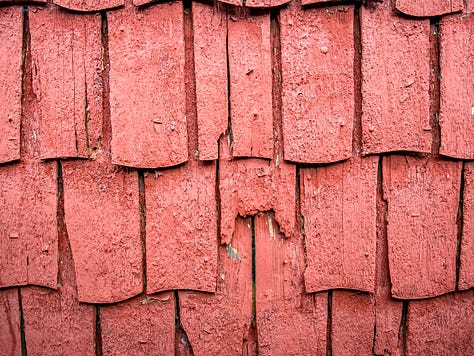
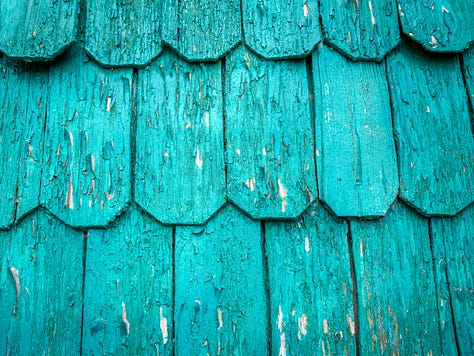
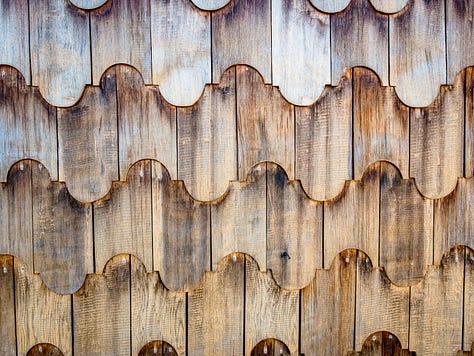
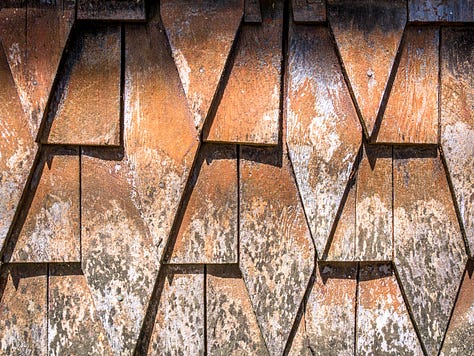
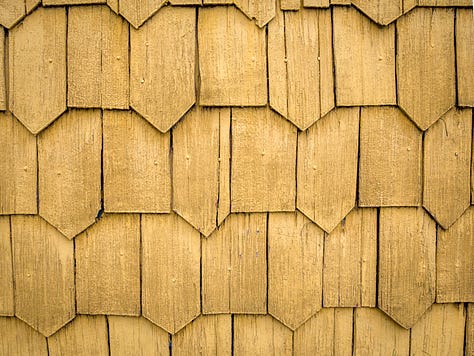
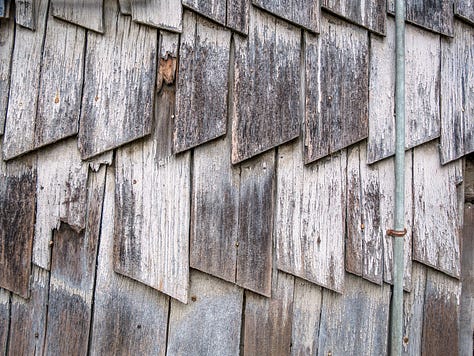
Known as tejuelas, these shingles are hand cut and traditionally held in place with wooden pegs. That allows them to swell tight in the frequent rain of Chiloé, leveraging the inherent movement and organic nature of the wood to keep out the wind and inclement weather. They are both functional and beautiful, floating, it seems, on the surface of the buildings like fish scales or bird feathers.
When the Spanish first arrived on Chiloé in the 16th century, they sought to build churches, but they lacked the usual materials of stone, brick, or adobe. Instead, they turned to the abundant sources of wood, in particular alerce and cypress that resist rot, and the sophisticated woodworking traditions of the local Huilliche and Chono peoples. These craftsmen worked together with the Jesuit missionaries to develop the style of wooden churches for which Chiloé is now famous. Of the more than 150 such churches scattered throughout the islands of Chiloé, 16 of them are UNESCO listed.
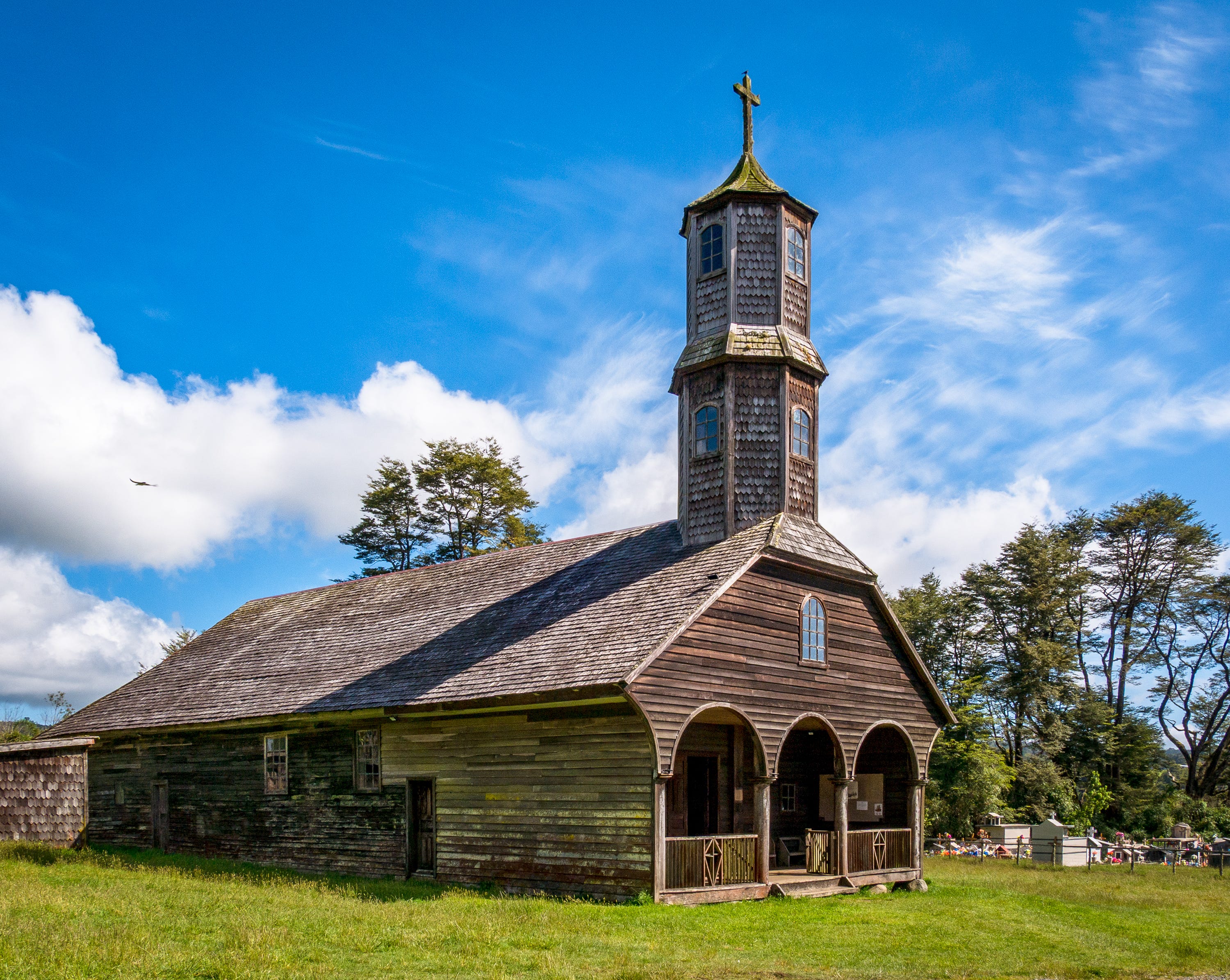
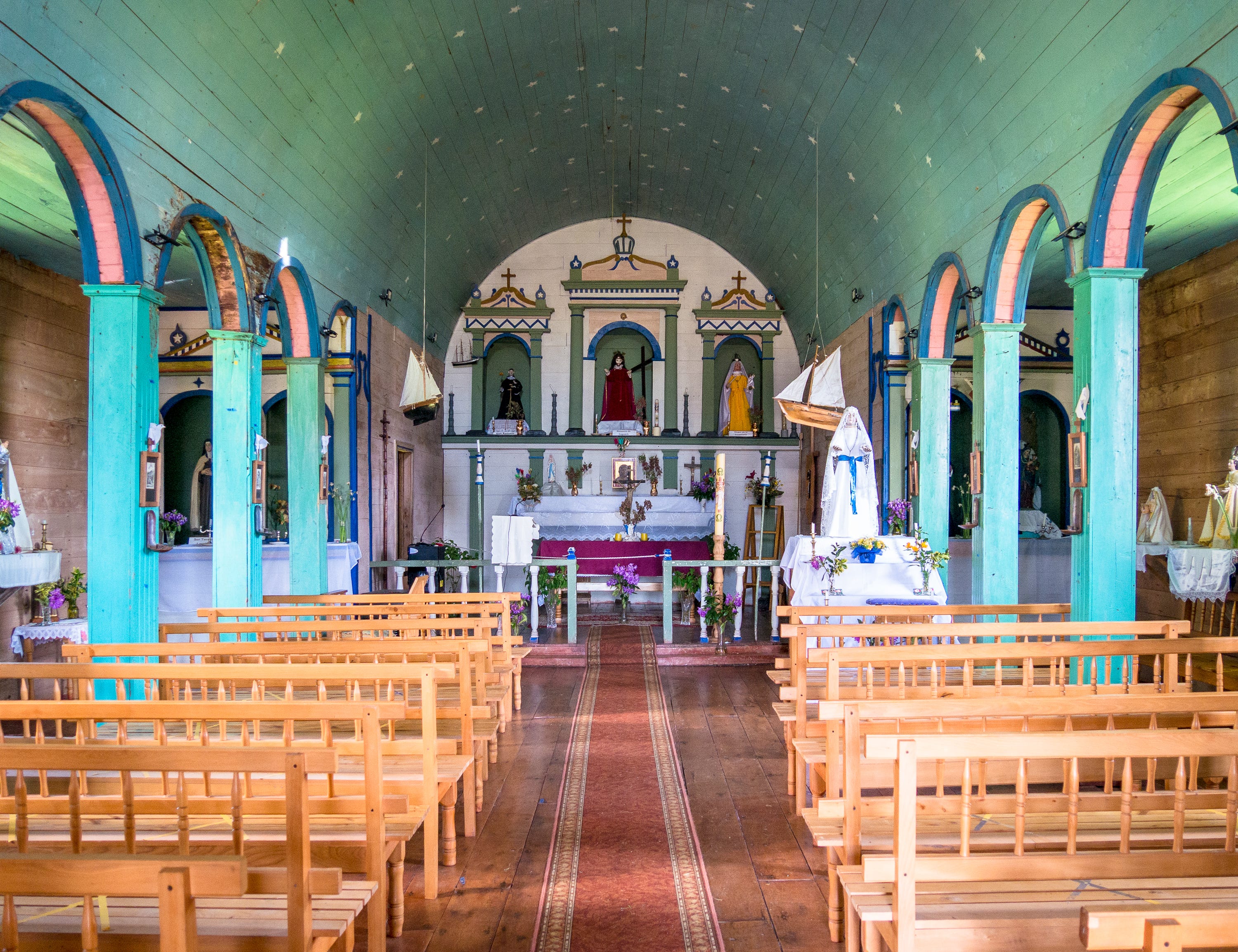
We visited many of them in our time in Chiloé, each slightly different, but all sharing the same feeling of buildings that seem to be part of both the landscape and the maritime culture. You notice the latter in the hull-like rounded ceilings (as in that of The Hanging Church in Cairo, but in this case due to the prevalence of local boat builders), and the model ships dangling from those ceilings.
Some ceilings are simple.
Others are more ornate.
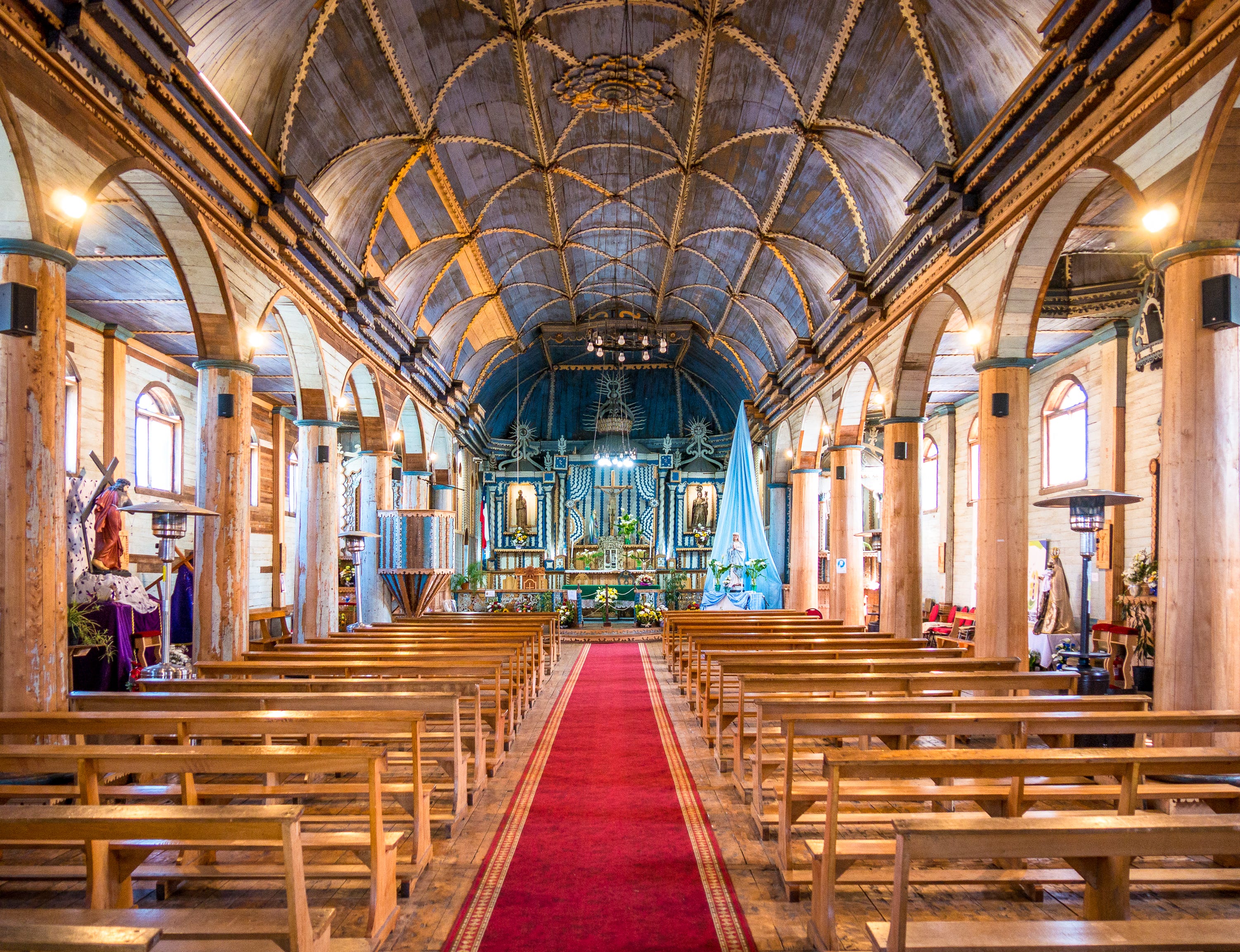
But each shares in that rugged elegance brought on by the extensive use of wood.
You’ll find tejuelas covering some part of each of these churches, as well as homes, businesses—even sheds and boats. The different styles originally represented the social standing of the building’s owner. Now, as cheaper manufactured materials begin to replace the traditional tejuelas, you get a sense that something more than building materials is at stake. I think that’s because the tejuelas feel like more than a functional covering.

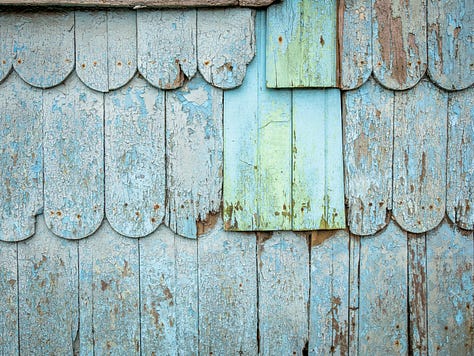
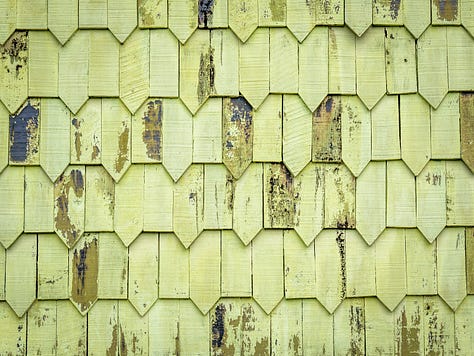
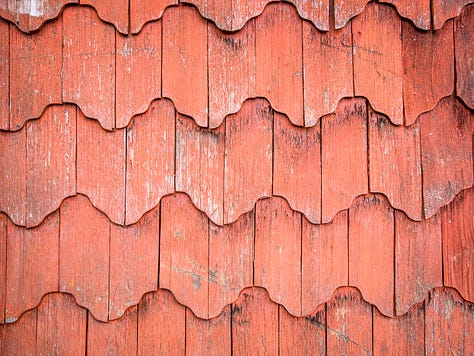


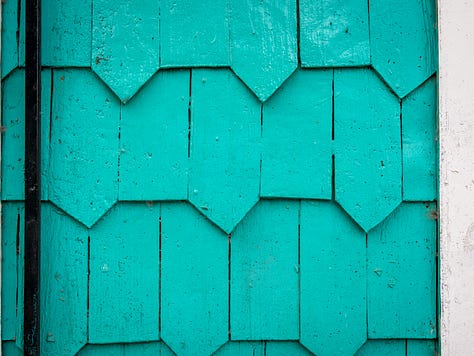
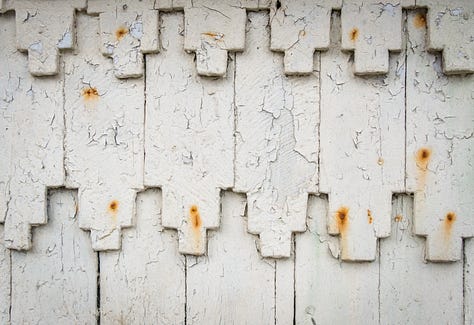

If you look at them closely, you see the strain of time and weather, but you also sense that they endure not through fighting either, but in enduring and being part of both. In the tejuelas of Chiloé, you sense that the wood here is, indeed, very much alive.
This post first appeared on my Substack at stevebrock.substack.com


